


Misleading Ads
- False Claim: Solar is free - Solar can offset your electricity bill, and while it is very common to end up cash-flow positive from day one with savings every month, it is not free. Misleading ads often frame solar as entirely eliminating your energy costs while hiding the repayment of the system itself, or the cost of your ongoing utility bill to stay connected to the grid.
- False Claim: New incentives have just made solar better than ever - Solar in Arizona is a great financial decision for many homeowners, but there are no new incentives. Some incentives are reduced from what they previously were, but solar equipment prices have also decreased, resulting in solar still being a viable option now. We always recommend going solar sooner than later to take advantage of current incentives, but ads suggesting that solar has only now become viable are misleading.
- False Claim: Go solar before it's too late - There is no deadline to go solar. Technology continues to improve, and with payback periods under 10 years for systems with expected lifespans at or above 30 years, solar is not going away. While true that it's advantageous to go solar while existing incentives are active, don't fall for the "fear of missing out" ads that put a hard deadline on your chance to go solar.
- Utility rates are going to go up X% in X years - Ads and estimates often use national averages to model utility rateAds and estimates often use national averages to model utility rate increases, which can often be 4 or 5% per year. TEP's historic average annual energy rate increases have been between 2% and 3%. Sales companies do this to inflate the long-term savings on a system. Ask for an estimate that includes savings with realistic projections that are actually based on what has happened in the past with TEP's rates. If the company cannot speak to TEP's rate history then that is telling in itself.
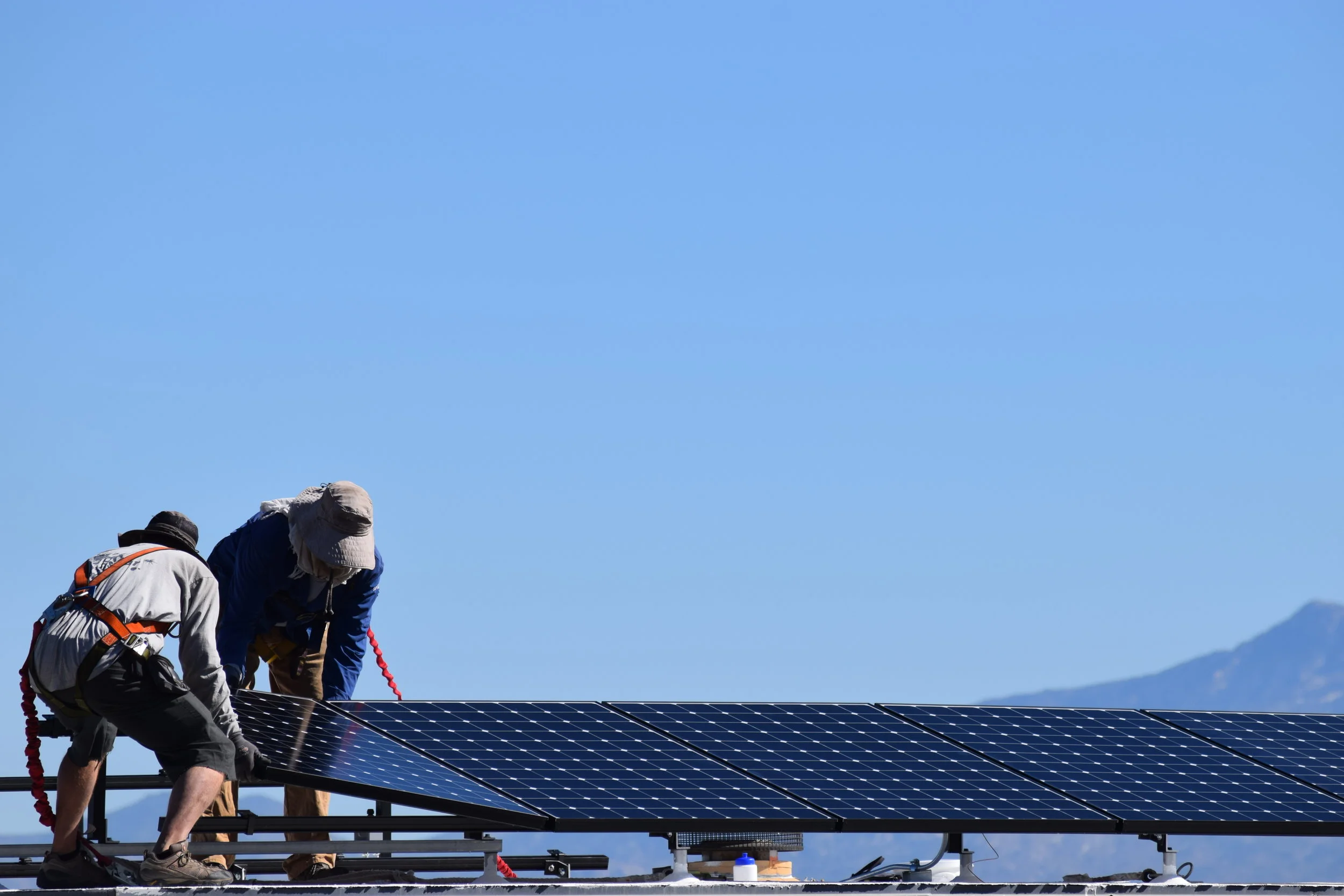
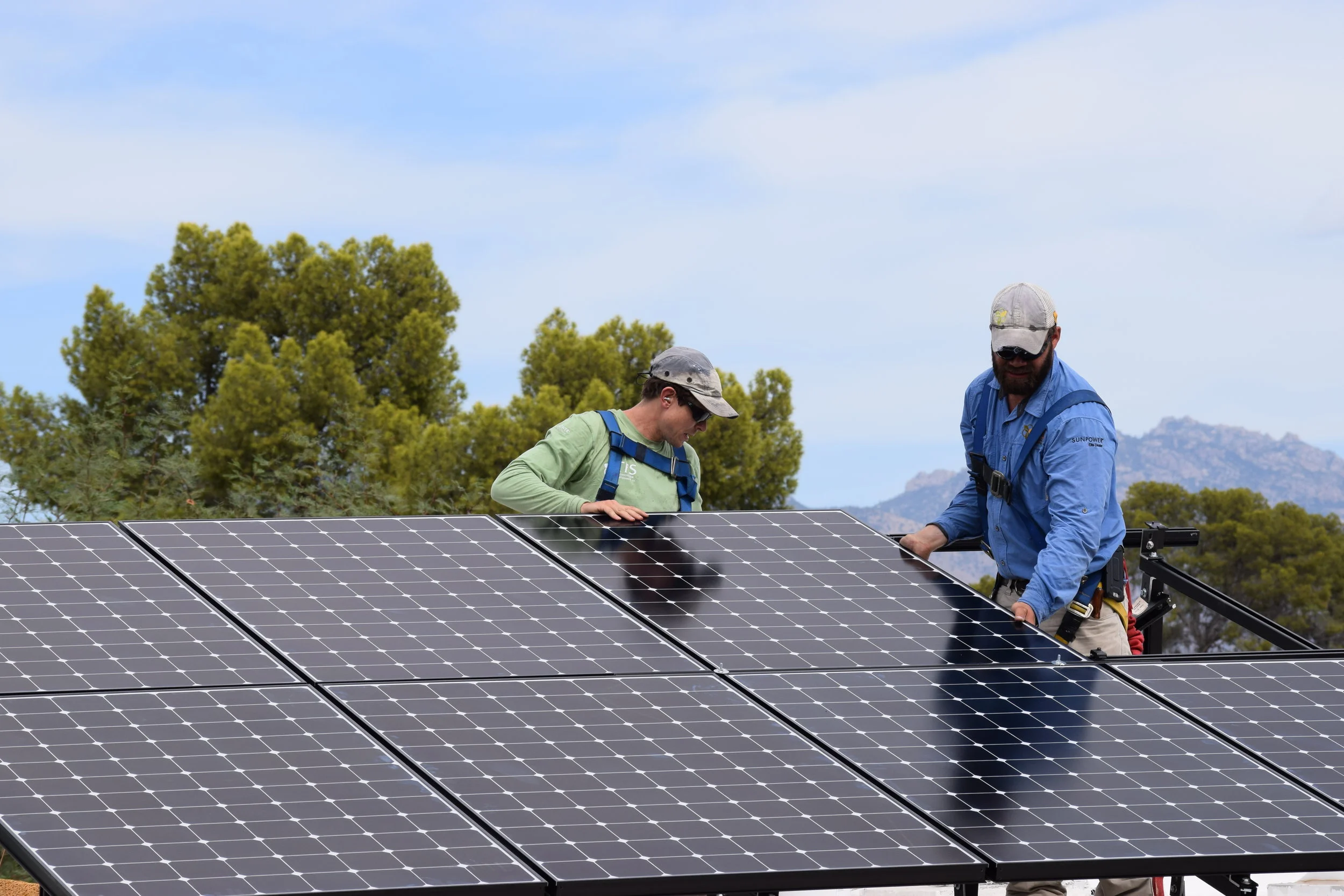
- Ask around: Solar is visible. If you are considering solar and see panels on a neighbor's rooftop, ask them where they got it! Talk to folks in the community about their experiences with solar companies.
- Research online: Check out your potential installer's website. Check out their reviews on Google, Facebook, and Yelp. Be sure to confirm they have an Arizona Registrar of Contractors license and look for any complaints. Consider how long the company has been in business (you can find this info on the ACC site) and whether they are likely to be around to honor their warranty.
- Inform yourself and ask questions: We always recommend that customers ask as many questions as they need before making a commitment. If your potential installer is unwilling or has difficulty giving you clear answers to questions - simple or technical - we recommend getting a second opinion.


Partially Prepaid Solar Lease
Make one upfront payment and enjoy six full years with no monthly obligations while your system generates power and your electric bills drop. At the end of year six, you have the option to buy the system at its depreciated fair market value, or simply continue with small monthly payments- it's your choice.
Because our financing partner, Amicus Impact, is able to utilize the federal solar tax credit (ITC) on your behalf, your total cost (upfront payment plus the optional buyout) typically comes out to 80% or less of what you'd pay in cash. That makes this one of the strongest returns on investment available for residential solar right now.
- One upfront payment covers energy production for years 1–5, plus half of years 6–15
- Zero monthly payments for the first five years
- At month 61, buy the system at fair market value or continue with low monthly payments
- Maintenance covered under TFS's 10-year labor warranty
This option is a great fit if you have capital available, want to eliminate or significantly reduce your electric bill right away, and want to maximize your long-term return on solar.
Cash Purchase: Own your system, pay for it up front. AZ state tax credit available up to $1,000.
Loan: Own your system, pay for it over time. AZ state tax credit available up to $1,000. Typical loan term is 15 years.
Partial Prepaid Lease: Financing company owns your system. Prepay most of your lease payments in order to save more money. There is an option to buy out the system after 6 years.
Monthly Lease: Financing company owns your system. Make payments over time. Beware of leases that do not allow you to buy out the system during the term of the lease, or that do not guarantee the energy production of the system during the lease term. If you cannot buyout the system, you may find it difficult or expensive to sell your home. And if there is not a production guarantee, you may owe lease payments even if the system is not producing the expected savings. Typical term is 25 years. TFS does not currently offer this option, as we are not convinced that it is in the best interest of the homeowner.
Cash Purchase
Cash purchase is always available to customers interested in the option. For homeowners equipped to pay for their system up front, cash purchase has the highest return on investment.

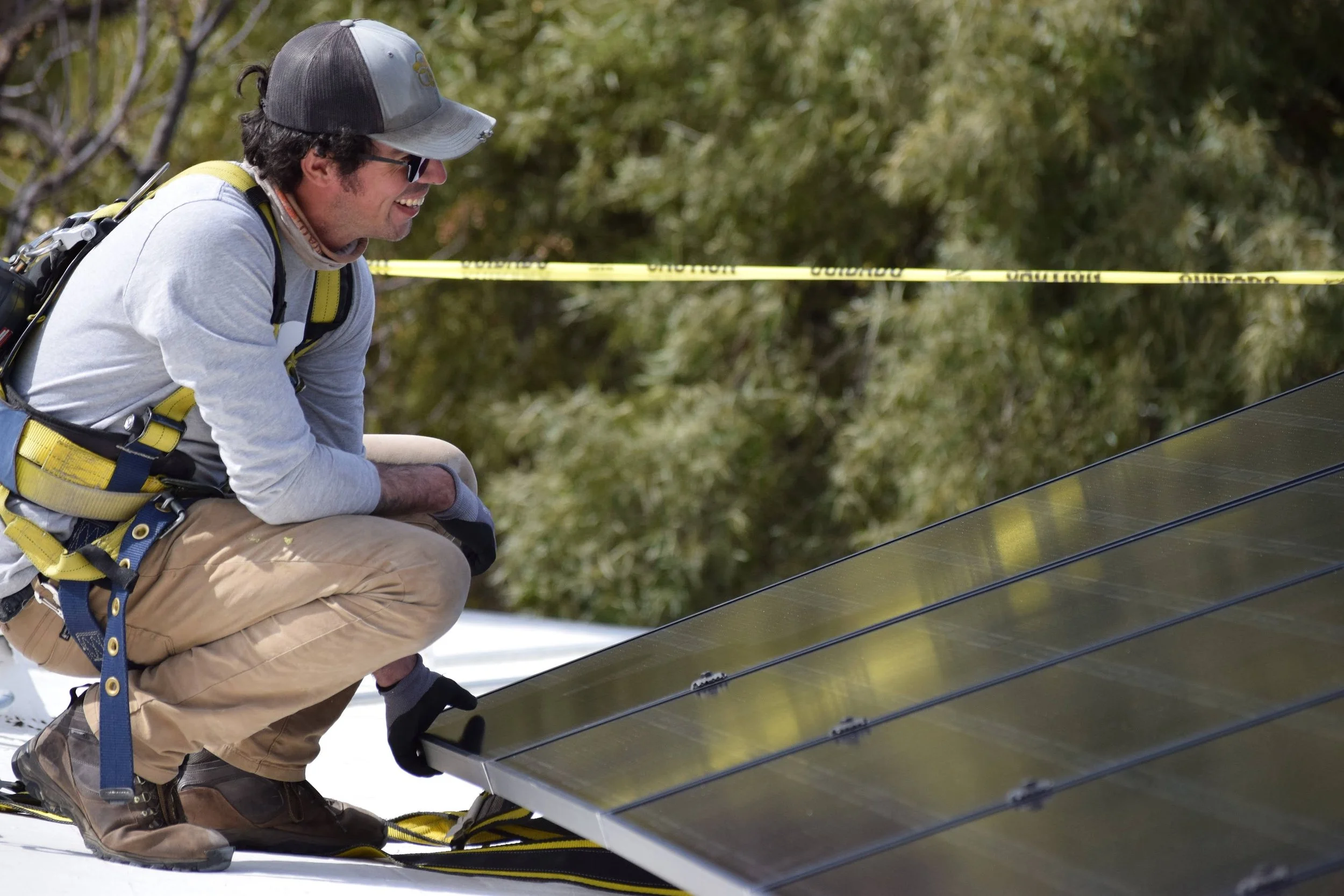
Solar Loans
- Multiple term options for repayment, with a 25+ year lifespan of solar
- Maintenance is covered under 10 year TFS labor warranty
- Take advantage of the AZ tax credit to reduce price of system
- No prepayment penalty
- Solar is considered an asset to house, reflected at resale and property evaluation

Incentives
Ready to Go Solar?
Call today for a free consultation or solar home evaluation
520-740-0736
Or, simply fill out our short contact form and we will be in touch with you as soon as possible.
Arizona State law A.R.S. § 33-439 protects private property solar access by nullifying Home Owners Association covenants restricting solar energy systems. See DSIRE website.